
The Hidden Impact of PTSD on First Responders and Their Families
Police officers, firefighters, paramedics, and dispatchers face trauma most people never encounter in a lifetime. The impact of PTSD on first responders reaches far beyond a single incident. It shapes how someone sleeps, connects with loved ones, and handles everyday stress.
Many first responders push through symptoms for years before seeking help, believing they should be able to handle anything. But PTSD doesn't discriminate based on training or experience. It affects the mind and body in ways that touch every part of daily life. This includes the families who share a home with these dedicated professionals.
What First Responder PTSD Looks Like
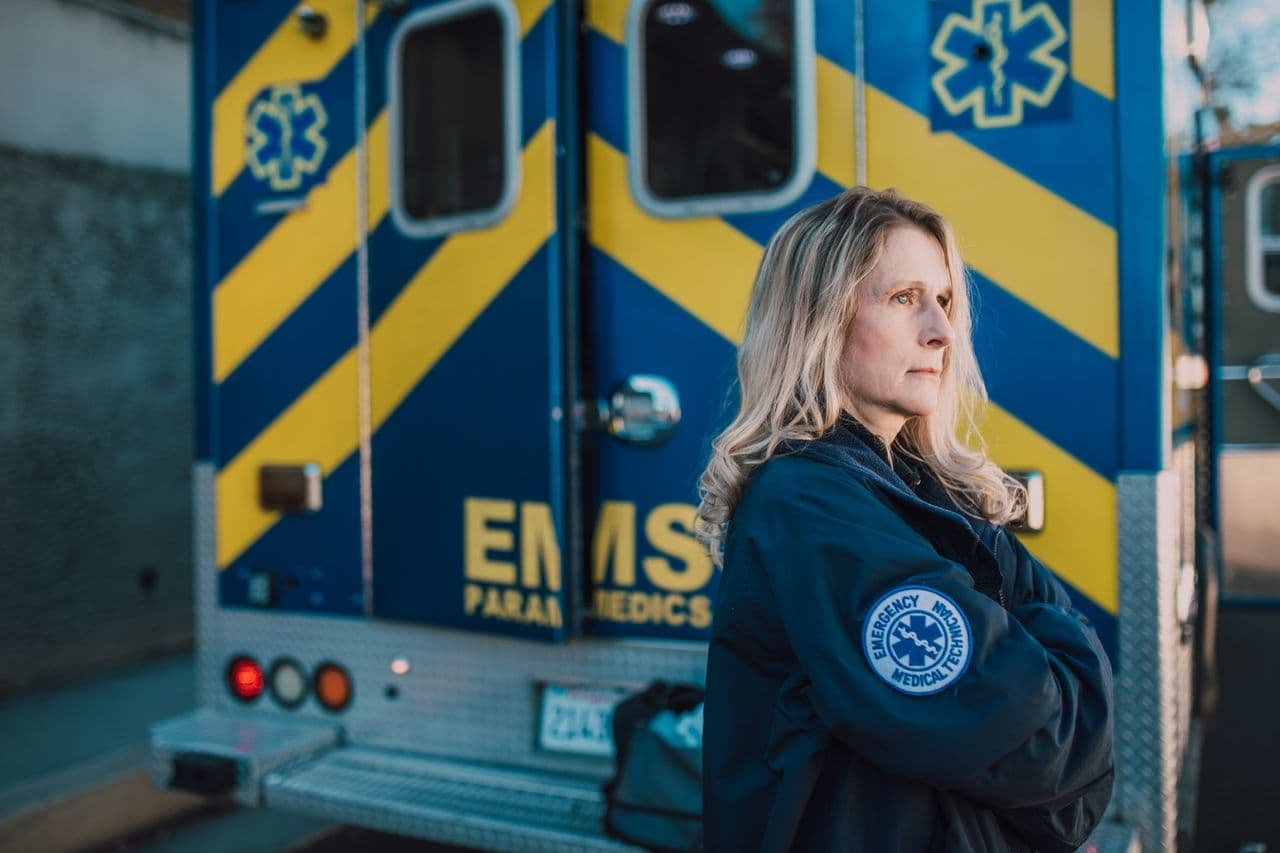
Some struggle with intrusive memories of difficult calls. Others feel constantly on edge, startled by loud noises or sudden movements. Sleep problems, irritability, and emotional numbness are also common.
These symptoms don't always appear right after a traumatic event. For some, these symptoms surface only under specific triggers, such as sirens, certain smells, or anniversaries of difficult incidents. They can build gradually over years of repeated exposure to crisis situations. This makes the impact harder to recognize until it affects work performance or relationships at home.
Common signs include:
Difficulty falling or staying asleep
Increased irritability or anger
Avoiding reminders of traumatic calls
Feeling detached from family or friends
Heightened anxiety in everyday situations
The Toll on Families of First Responders
Families of first responders carry a weight that isn't always visible. Spouses and children notice changes long before anyone else sees them. A parent might become withdrawn after a hard day at work, or a partner might struggle to talk about their day at all. Children sometimes sense tension in the home without knowing why. Even young children can pick up on unspoken stress, which may affect their behavior at school or their ability to sleep at night. Over time, this strain can impact communication, trust, and closeness within the family unit. PTSD in first responders extends into every relationship. This is why support for first responders must include their loved ones, too.
Building Stress Management Habits That Help
Stress management plays a central role in reducing the daily burden of PTSD symptoms. Regular exercise, consistent sleep schedules, and time spent away from work-related triggers can all make a difference. Peer support programs, where first responders talk with colleagues who understand the job, also provide meaningful relief.
Family involvement matters too. When families of first responders understand trauma symptoms collectively, they can respond patiently instead of with confusion or frustration. Setting boundaries between work and home life, even in small ways, can also reduce tension for the whole household. Small, consistent habits build a stronger foundation than any single solution.
Professional Support Makes a Difference
Professional help gives first responders tools that stress management alone cannot provide. Trauma-focused approaches help process difficult memories in a safe setting, reducing their intensity over time. Family counseling can also open communication and rebuild connection at home.
Support for first responders works best when it includes the people who love them. Trauma affects the whole household, not just the person who experienced it directly. This approach helps protect both the individual and their family. Many departments now offer confidential counseling options, making it easier for first responders to seek help without fear of judgment.
Addressing the impact of PTSD on first responders early can protect both careers and relationships. If you or someone you love is a first responder dealing with symptoms of trauma, we can help. Our team offers therapy for PTSD designed specifically for the unique pressures first responders face. Reach out to learn more about how we can support you and your family.