
Responding to Sibling Jealousy: Helping an Older Child Adjust to a Younger Sibling
Sibling jealousy can shake up family life when a new baby arrives. That first child who's been the center of attention suddenly has to share the spotlight. And it's completely normal for them to struggle with the transition. Kids don't always have the words to express what they're feeling. Sibling jealousy often shows up as acting out or regression.
As parents, we want to support both children while keeping everyone emotionally healthy. Let's look at the bright side: there are ways to help an older child adjust when a younger sibling enters the picture.
The Root of Rivalry
When we bring home a new baby, the oldest child's entire world shifts overnight. They're no longer the only ones getting Mom or Dad's undivided attention. For toddlers and young children, this feels like a real threat to their security and place in the family.
Jealousy is a natural response to change. Young children haven't yet developed the emotional tools to process complex feelings such as fear or insecurity. What they know is that everything feels different, and they don't like it.
Red Flag Behavior
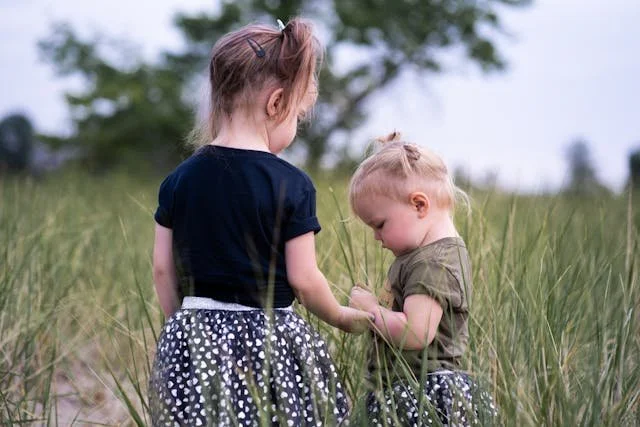
Sibling rivalry often shows up in ways that can catch you off guard as your family dynamic shifts.
Acting out physically by hitting, biting, or exhibiting directed aggression.
Regressing to younger behaviors like having bathroom accidents or wanting a bottle.
Seeking constant attention or becoming unusually clingy.
Showing signs of sadness, withdrawing from others, or losing interest in play.
New disruptions in sleep patterns.
Making negative comments about the new baby or other family members.
Spotting these specific shifts in behavior allows you to step in with the support your child needs right now.
The Power of 15 Minutes
You need to carve out individual time with the older child, even if it's just 15 minutes a day. This doesn't have to be elaborate. Reading a book together, playing with blocks, or going for a walk can work wonders. The key is making that child feel seen and valued.
During this special time, put the phone away and really focus on them. Let them choose the activity. This sends a powerful message that they still matter just as much as before. Consistency helps, too; try to stick to the same time each day when possible.
Giving Your Child a Special Role
Giving the older child age-appropriate jobs with the baby can reduce sibling arguments and build a connection. They might help pick out clothes, fetch diapers, or sing songs during diaper changes. This makes them feel important and included rather than replaced.
Praise their efforts specifically. Instead of just saying "good job," try "You were so gentle when you helped me with the baby's socks." This reinforces positive behavior and helps them see themselves as a helpful big brother or sister.
Acknowledging Their Feelings
When sibling jealousy rears its head, address it directly. We can say things like, "It's hard when the baby needs so much attention," or "You wish we could play longer." Validating their feelings doesn't mean we're agreeing with any negative behavior. But it does show we understand what they're going through.
Avoid comparing siblings to one another or telling them they should be happy about the baby. These statements shut down communication. Instead, create space for honest conversations about both positive and difficult emotions.
Finding Stability for Your Household
Sometimes sibling rivalry intensifies despite our best efforts. If the older child shows persistent aggression toward the baby, extreme withdrawal, or other concerning behaviors, professional support can help. Family counseling gives everyone the tools to navigate this transition more smoothly.
Adjusting to a new sibling takes time. If your family is struggling with sibling jealousy, call us for a family or childhood therapy appointment. Working through these big life changes together builds a stronger bond for everyone in your home.