
A partner who checks in to make sure you're safe can seem caring at first. But when you know the signs of an unhealthy relationship, dynamics like this help you tell real concern apart from control. Protection and jealousy can look alike from the outside, yet they come from very different places.
Telling those two motivations apart starts with looking closely at actions that build safety rather than restrict it. When a partner acts out of genuine care, their focus is on your well-being, peace of mind, and personal autonomy.
Signs of a Protective Partner
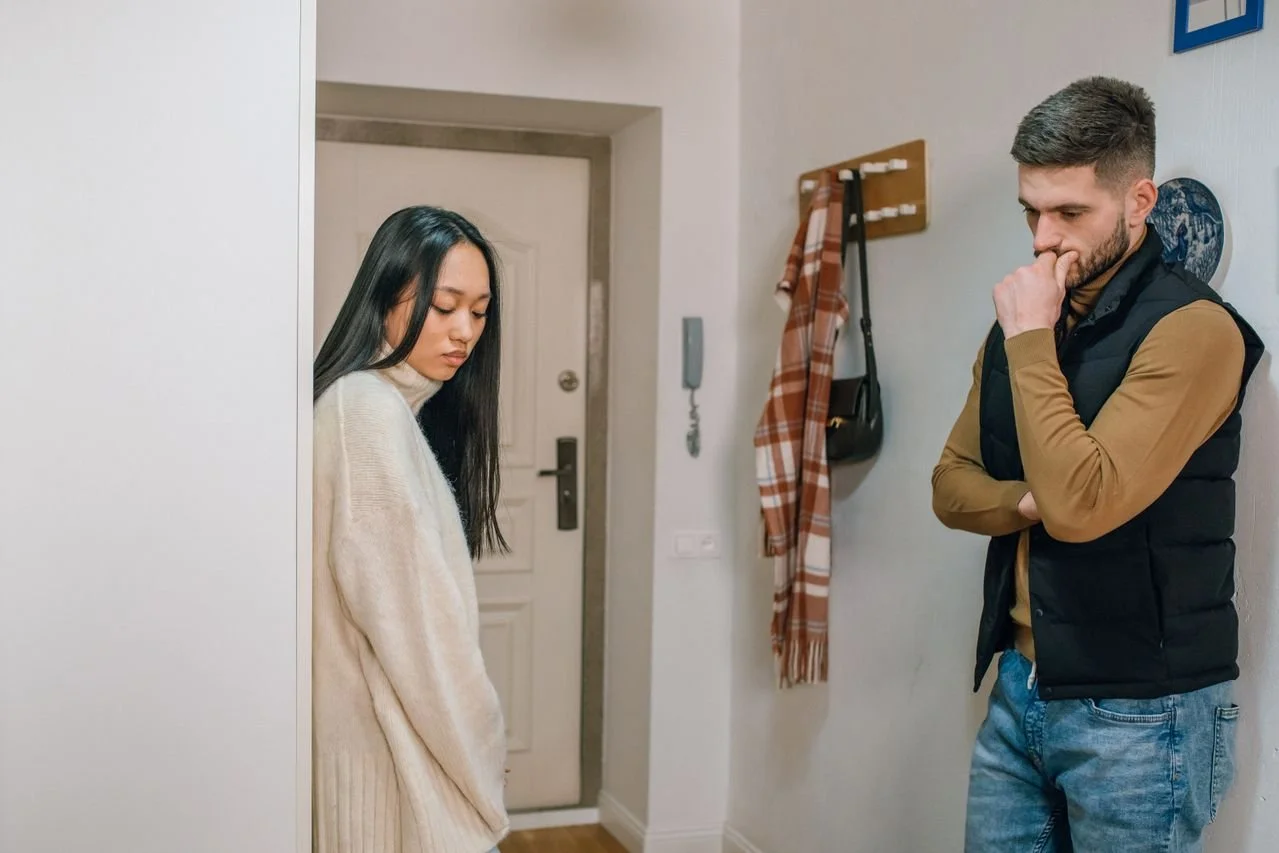
A protective partner wants you safe without controlling your choices. They ask about your day because they care, not to check up on you. They respect your work and your need for space. These are common signs of a protective partner: support, not surveillance.
A partner like this encourages you to keep your own friendships and interests. They trust you to make good decisions, even if they disagree with them. If something worries them, they talk about it directly instead of tracking your movements. This kind of trust makes unhealthy relationship dynamics less likely to take root.
A protective partner also speaks up about concerns instead of expecting you to guess what's wrong. Small conversations like this keep trust intact for both of you.
Signs of Jealousy in a Relationship
Jealousy can start small and grow into something that limits your independence. A partner struggling with jealousy might question who you talk to or ask for constant updates on your location. They may accuse you of things without real evidence. These common signs of jealousy are worth noticing.
Over several months, jealousy can turn into checking your phone, limiting your friendships, or demanding you cut off certain people. Each of these behaviors sends a clear message: your partner doesn't trust you. Left unchecked, this can grow into one of the more damaging unhealthy dynamics couples face.
Jealousy can come from insecurity or past hurt, but that doesn't make the impact on you any less real. Pointing out the specific behavior helps you decide what you're willing to accept in a relationship.
Protective vs. Possessive Behavior: Where's the Line?
The easiest way to spot the difference is to look at intent and impact. A protective partner respects your right to make decisions, even ones they don't like. A possessive partner tries to control the outcome by limiting your choices.
Consider these questions about your own relationship:
Does your partner ask about your plans, or do they demand to approve them?
Do disagreements lead to conversation, or do they lead to punishment?
Do you feel free to see friends and family, or do you feel like you need permission?
Protective vs. possessive behavior comes down to respecting your autonomy instead of controlling it. A partner who values your independence supports your growth, while one who fears it tries to restrict it. Small differences in these responses point to big differences in how safe a relationship feels.
These questions can help you see the balance of power in the relationship more clearly. Small patterns can add up to something bigger as weeks pass.
Prioritizing Your Peace and Safety
No relationship is completely free of hard moments, but support should never come with control attached. If these signs of an unhealthy relationship sound like your personal situation, it's time to get answers.
A trained professional can help you sort out what's happening and what changes might help. Couples counseling gives you and your partner room to talk about boundaries and respect with someone guiding the conversation.
Reach out to schedule a couples counseling session focused on trust, not restriction. You and your partner both benefit when respect and understanding guide the relationship instead of control.