
Many people associate post-traumatic stress disorder (PTSD) with combat veterans. However, women actually face a diagnosis twice as often as their male counterparts. This gap is usually because women are more exposed to domestic violence and sexual assault.
Your mind might signal this distress through subtle physical changes and persistent anxiety instead of a loud cinematic outburst. Because trauma affects everyone differently, your lived experience serves as the most reliable guide for treatment.
How PTSD Symptoms Show Up Differently in Women
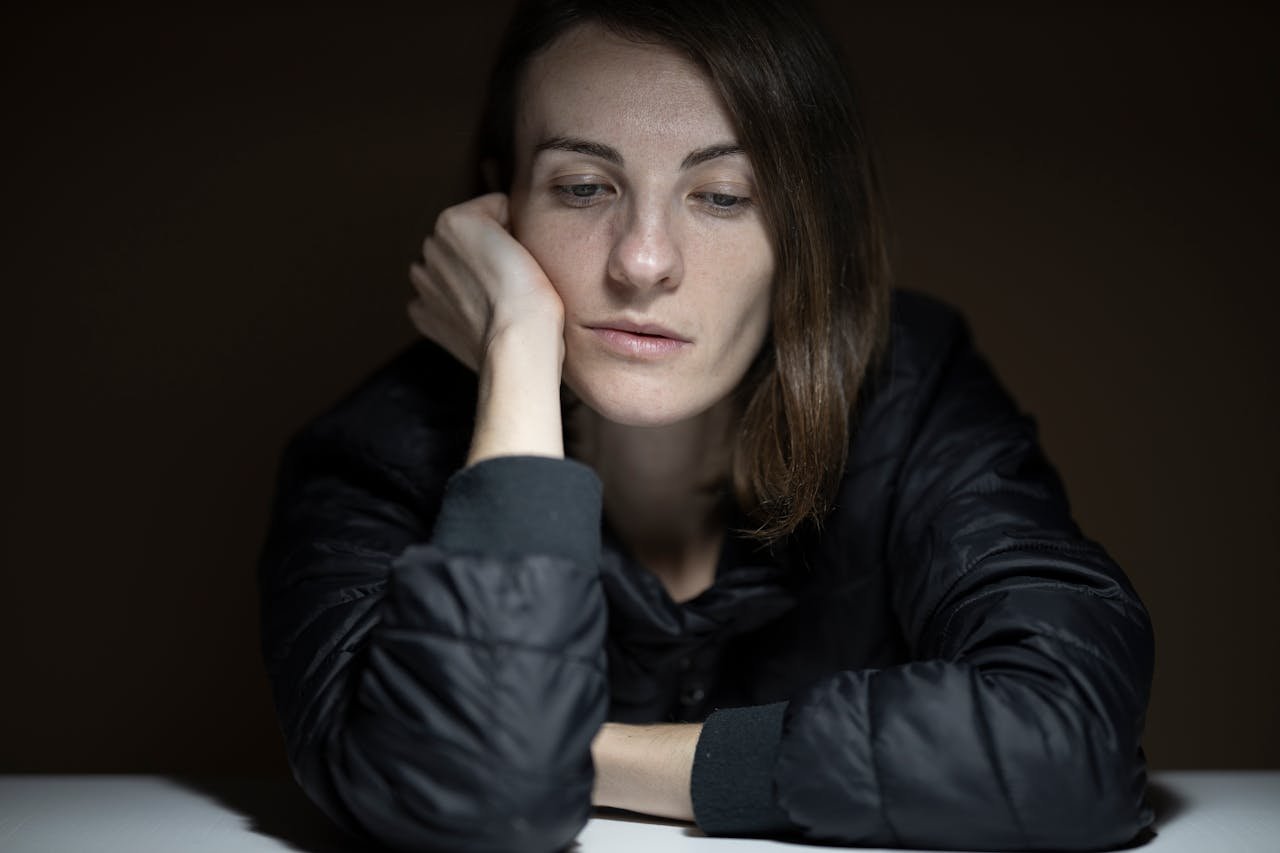
Women are more likely to develop PTSD after interpersonal trauma, the kind that involves another person intentionally causing harm. This includes domestic and sexual violence, emotional abuse, and witnessing violence against someone they love.
Women also tend to internalize their symptoms more than men. That means the distress is often felt deeply on the inside before it becomes visible on the outside. This can make it harder for others to notice and harder for women themselves to recognize what's happening.
Emotional Signs
One of the most common emotional PTSD symptoms in women is a persistent sense of fear or dread, even when there's no clear or present danger. Women with PTSD often feel a heavy, underlying shame related to what happened to them, even though they did nothing wrong.
Other emotional signs include:
Feeling emotionally numb or cut off from people you care about.
Difficulty experiencing positive emotions like joy or love.
Feeling detached from yourself or your surroundings (dissociation).
Persistent negative beliefs such as "I can't trust anyone" or "Something is wrong with me."
Flashbacks or intrusive memories that feel like reliving the trauma.
These emotional patterns can disrupt daily life, making it hard to connect with others or feel safe in relationships.
Physical Signs
The body holds onto trauma in ways that are easy to dismiss as something else entirely. Women experiencing PTSD frequently report physical symptoms that don't have an obvious medical cause.
Common physical signs include:
Sleep problems, including insomnia, nightmares, or waking frequently.
Chronic pain, headaches, or gastrointestinal issues.
Fatigue that doesn't improve with rest.
Heightened startle responses — jumping at small sounds or sudden movements.
A racing heart or shortness of breath when reminded of the trauma.
Research shows that PTSD activates the body's stress response system over and over again, keeping it in a near-constant state of alertness. Over time, this takes a toll on physical health.
Behavioral Signs
PTSD symptoms in women also show up in behavior, often as attempts to manage overwhelming feelings or avoid triggers.
Avoidance of the people, places, conversations, or situations tied to the trauma.
Withdrawing from social activities and relationships that once brought joy.
Increased substance use of alcohol or drugs as a way to cope.
Difficulty concentrating or completing everyday tasks.
Taking on excessive responsibility or people-pleasing to feel in control.
Risk-taking behavior or, conversely, becoming overly cautious in daily life.
These behaviors often develop as protective responses. They make sense in the short term, but can become barriers to functioning and connection over time.
Looking for Support
It's worth noting that PTSD symptoms can develop immediately after a traumatic event or even years later. Many women also experience co-occurring conditions such as depression, anxiety, or disordered eating alongside their PTSD. Since these challenges often overlap, many find that therapy is highly effective for handling their symptoms. You don't need to wait for your story to feel "severe enough" before you seek specialized support.
If you recognize these patterns in yourself, trauma therapy can offer real, lasting relief. Approaches like EMDR and trauma-focused cognitive-behavioral therapy have strong evidence-based support.
If you're ready to find relief, contact us to be connected with a counselor who can help. Choosing PTSD therapy gives you a dedicated space to process your experiences and find the way back to yourself.