
How PTSD Affects First Responders and What Helps
First responders run toward danger when everyone else runs away; it's a fact no one can dispute. So it's no wonder that PTSD in first responders has far higher rates than the general population. Firefighters, police officers, paramedics, and emergency dispatchers regularly face traumatic events. Often, without adequate time to process what they've witnessed. Over time, repeated exposure to trauma puts first responders at significant risk for PTSD. However, having access to real support can change the outcome for those who are silently struggling.
Why First Responders Are at Higher Risk for PTSD
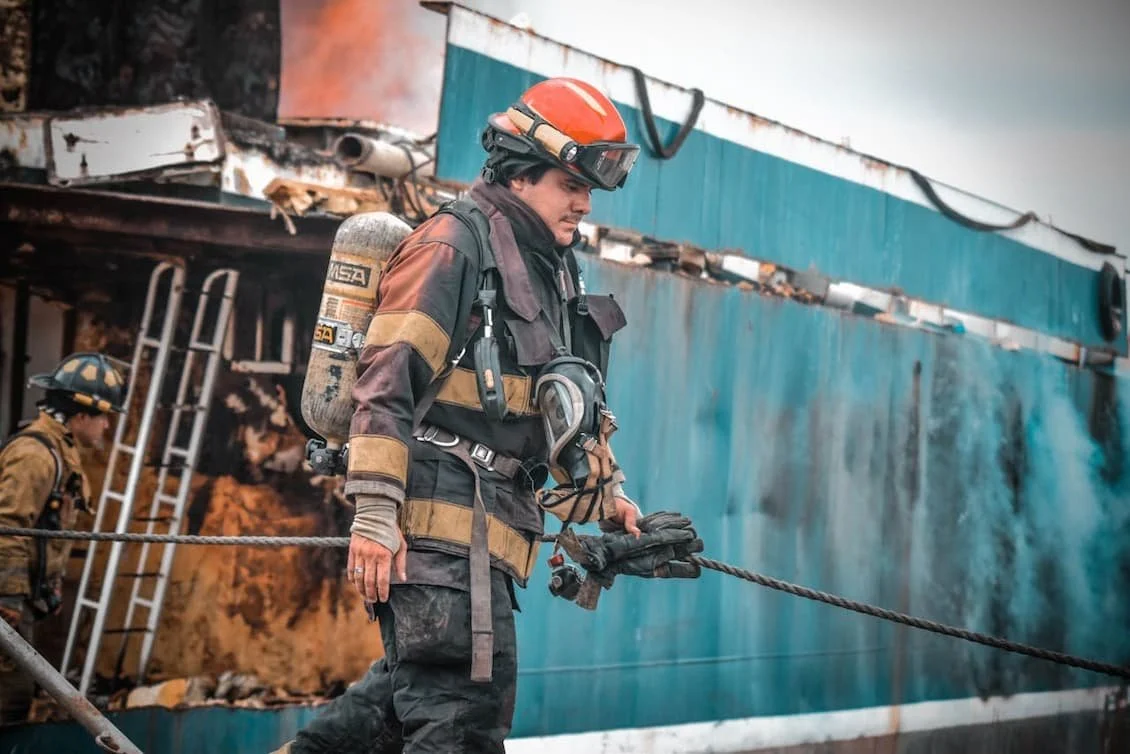
Most people encounter a handful of traumatic events over a lifetime. First responders may encounter several in a single shift. The total impact of that exposure accumulates over time, and workplace culture can prevent acknowledgment of its effects.
Common barriers to getting help include:
Fear of being seen as weak or unfit for duty.
Stigma within the profession around mental health.
Lack of awareness that symptoms are connected to job-related trauma.
Feeling like it "comes with the territory."
These are real barriers that keep many people suffering longer than they need to.
Common Signs of PTSD in First Responders
PTSD isn't always flashbacks and nightmares, though those are common symptoms. In first responders, it often shows up as:
Emotional numbness or detachment from family and friends
Irritability or having a short fuse at home
Difficulty concentrating or making decisions
Hypervigilance, always scanning for threats even in safe environments
Avoiding anything that triggers memories of a specific call or incident
Using alcohol or substances to manage stress or sleep
Many first responders don't connect these symptoms to trauma at all. They may think they're just burned out, but when these patterns persist, PTSD is often the underlying cause.
How PTSD Affects Life Off the Clock
The effects don't stay at the station or precinct. PTSD follows people home and can disrupt relationships, sleep, and daily home life. Partners and children often notice the changes before the first responder does.
Sleep problems are especially common. Being stuck in 'fight-or-flight' mode keeps your nervous system on high alert, which makes it difficult to fall asleep or stay asleep. Over time, sleep deprivation compounds the other symptoms and makes everything harder to manage.
Physical symptoms are also part of the picture. Chronic stress from unresolved trauma can contribute to high blood pressure, headaches, digestive problems, and even a weakened immune system.
What Actually Helps
Several evidence-based approaches have strong track records for treating PTSD in first responders. These aren't a one-size-fits-all solution, and what works best depends on the individual being treated.
EMDR (Eye Movement Desensitization and Reprocessing) helps the brain reprocess traumatic memories so they no longer feel so heavy or intense. Many people find it more accessible than traditional talk therapy because it doesn't require retelling traumatic events in detail.
Cognitive Processing Therapy (CPT) helps identify and challenge unhelpful beliefs that often develop after trauma, such as excessive guilt or a distorted sense of responsibility.
Peer support programs connect first responders with colleagues who have gone through similar experiences. The shared context makes it easier to open up and work through the emotional overload.
Individual therapy gives people a confidential space to make sense of the trauma at their own pace, without judgment.
Spirituality can also play a meaningful role in recovery for those who draw strength from faith or a sense of purpose beyond the job.
Answering the Call
You've spent your career answering the call for others. Now it's time to get the professional support you deserve. Give us a call to learn how therapy for PTSD can provide the relief you've been looking for. You deserve a life that is defined by your purpose, not just the toughest days on the job.